
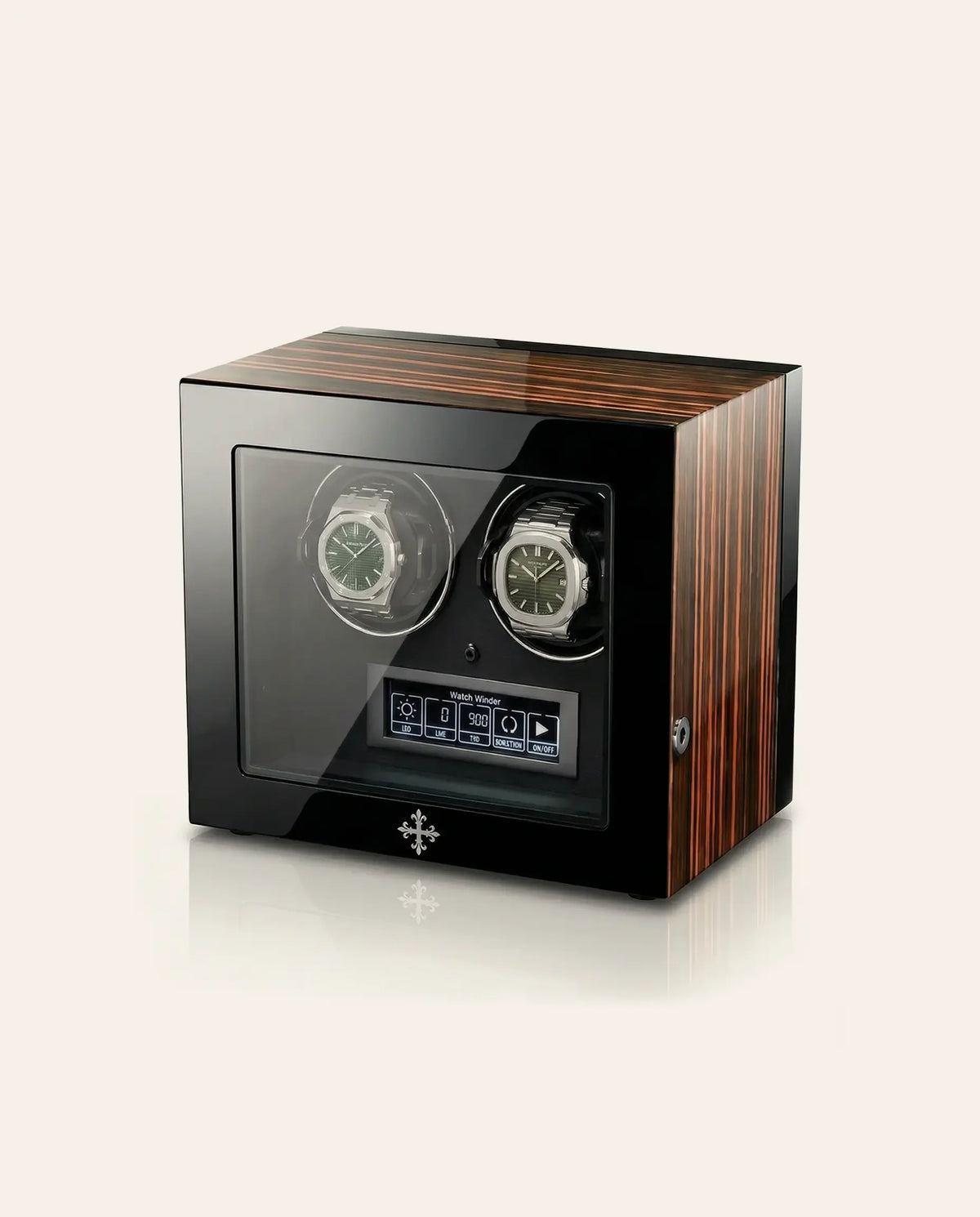

A “30-minute fire protection” claim is incomplete without the test conditions and acceptance criteria. To compare two products, identify the protocol, the internal temperature limits, the intended contents, and the documentation supporting the result. A manufacturer’s fire test and a certified fire classification should be described according to what each actually demonstrates.
The first question is not simply how long a product was exposed to heat. It is what happened inside—and what had to remain within defined limits for the test to succeed.
The furnace temperature is not the interior temperature
A dramatic image of flames shows exposure. It does not reveal the internal temperature, sensor locations, test duration, or criteria used to judge the outcome.
When reviewing a test report, look for a clear distinction between external exposure and interior measurements. Ask for the exposure conditions, the readings, the tested configuration, and the point at which monitoring ended. A photograph cannot supply missing measurements.
Class 350 refers to an interior limit, not a 350°F furnace
UL 72 identifies Class 350 equipment as intended for paper records. The class uses an interior temperature limit in degrees Fahrenheit; it must be read together with the applicable duration. The standard also addresses fire-endurance and explosion tests, with a fire-and-impact test for equipment intended to provide impact resistance. Source: ANSI/CAN/UL 72:2026, scope.
When an offer cites “UL 72 Class 350,” ask for the complete classification, including duration, and confirmation that it applies to the exact product being offered.
European LFS ratings need their own explanation
EN 15659 addresses light fire storage units intended to protect paper media. LFS 30 and LFS 60 identify 30- and 60-minute exposure periods with requirements concerning the temperature inside the storage space. Source: NEN, EN 15659:2019.
These labels can help an American buyer understand a European product’s documentation. They should not be silently replaced with a UL classification. An identical duration alone does not establish equivalence between the test systems.
Test procedures matter beyond the advertised duration
A meaningful comparison asks how the exposure is applied, when measurements end, and which additional test phases are included. EN 1047-1, for example, describes fire-endurance and fire-shock-and-impact test methods for the equipment within its scope. Source: BSI, EN 1047-1:2019.
When a supplier compares two standards, ask for a comparison of the procedures—not just a matching number of minutes.
| Advertised claim | Evidence to request |
|---|---|
| “Fire-tested for 30 minutes” | The protocol, measurements, result, and tested model |
| “UL 72 Class 350” | The full classification, duration, and certified product reference |
| “LFS 30” | The standard, edition, certificate, and covered configuration |
| “Independently tested” | The laboratory, report, and connection to the product being sold |
Protecting paper is not the same as proving a watch will still work
A test intended for paper records does not automatically evaluate the operation of a watch movement, electronics, seals, or a strap after a fire. Paper is the stated intended content for Class 350 in UL 72 and for the EN 15659 test. UL 72; EN 15659.
If you are storing items with different sensitivities, ask what was actually evaluated. Avoid treating a record-protection classification as a guarantee that every object will emerge undamaged or operational.
At Mercier & Fils, protection is considered with the interior
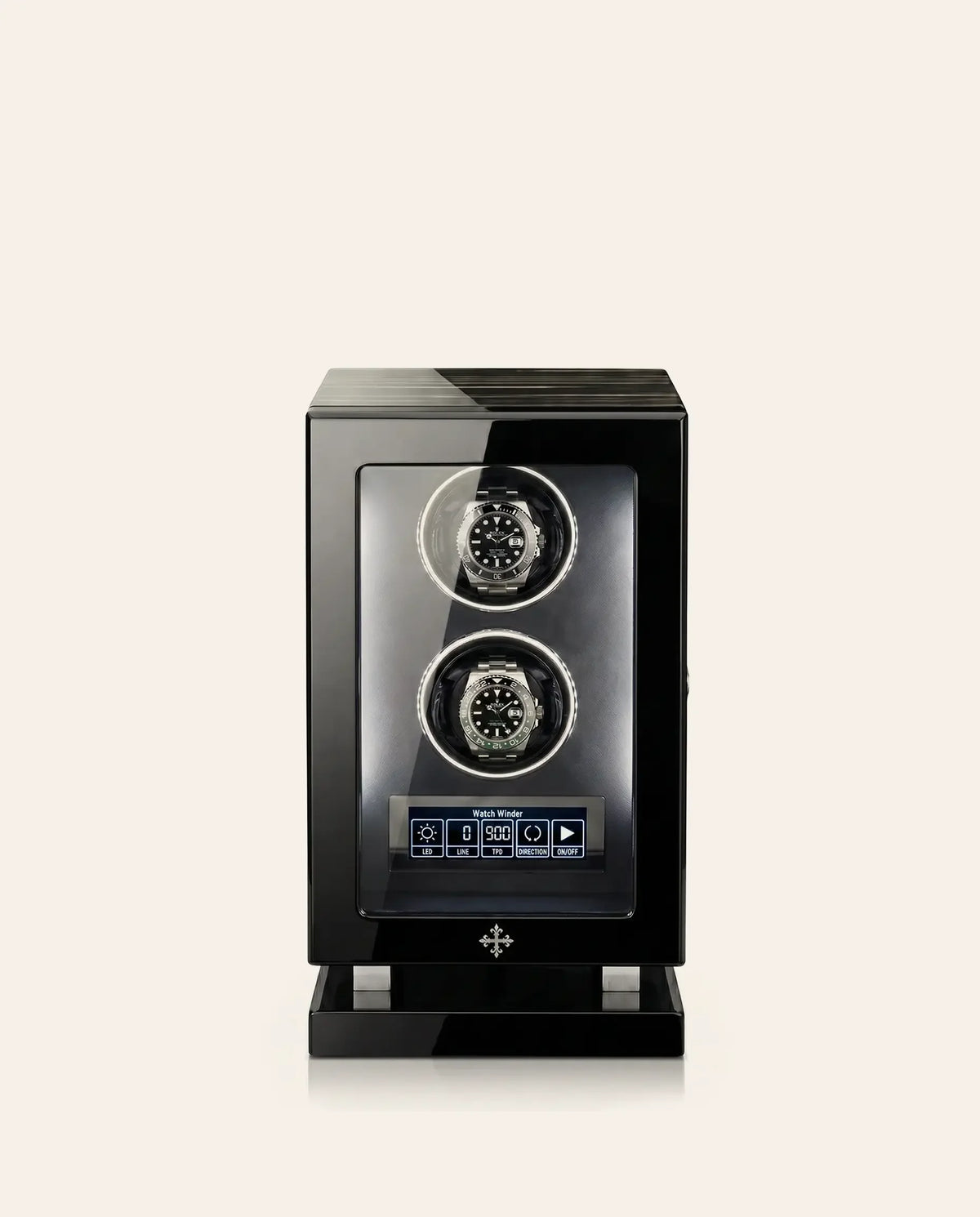
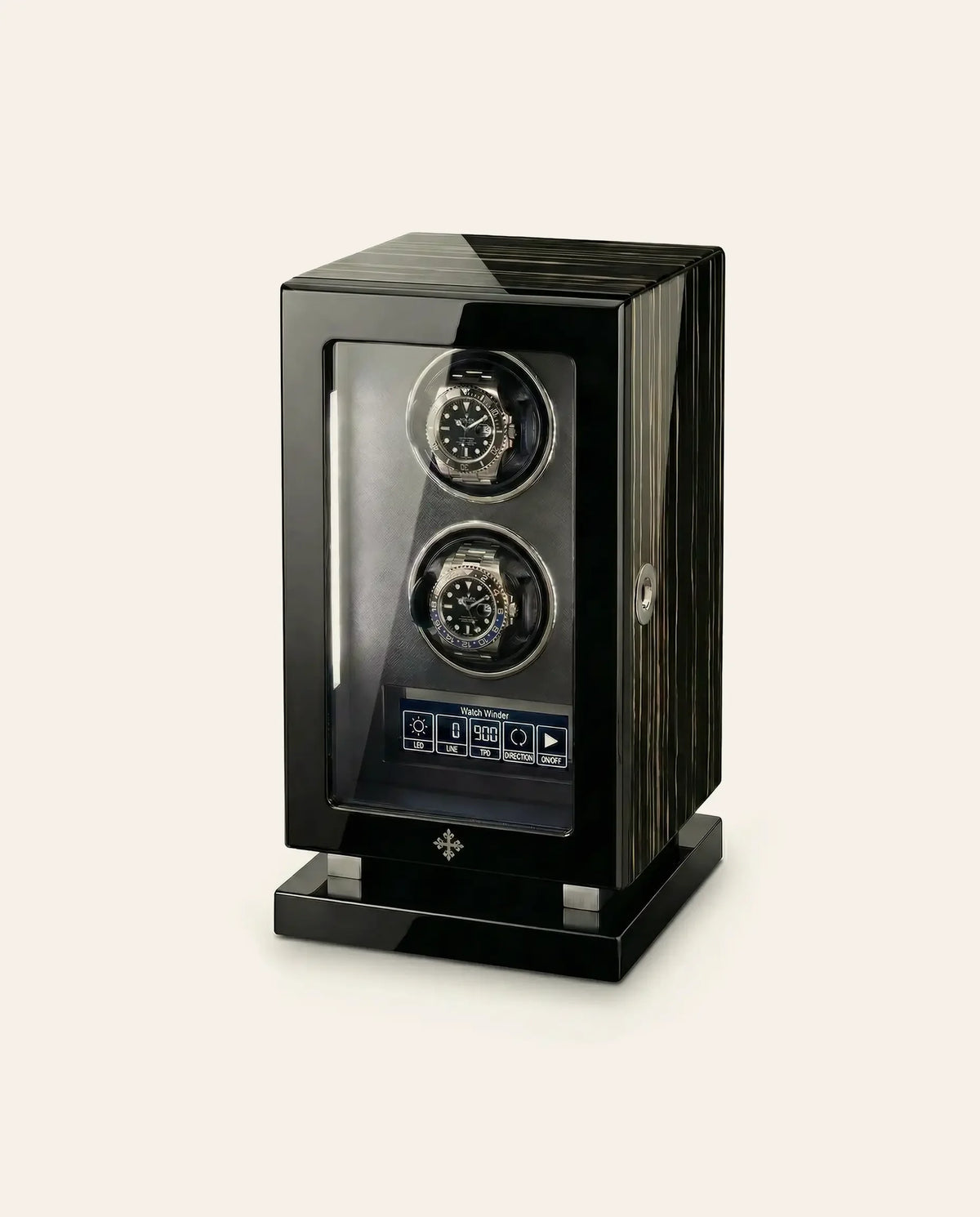
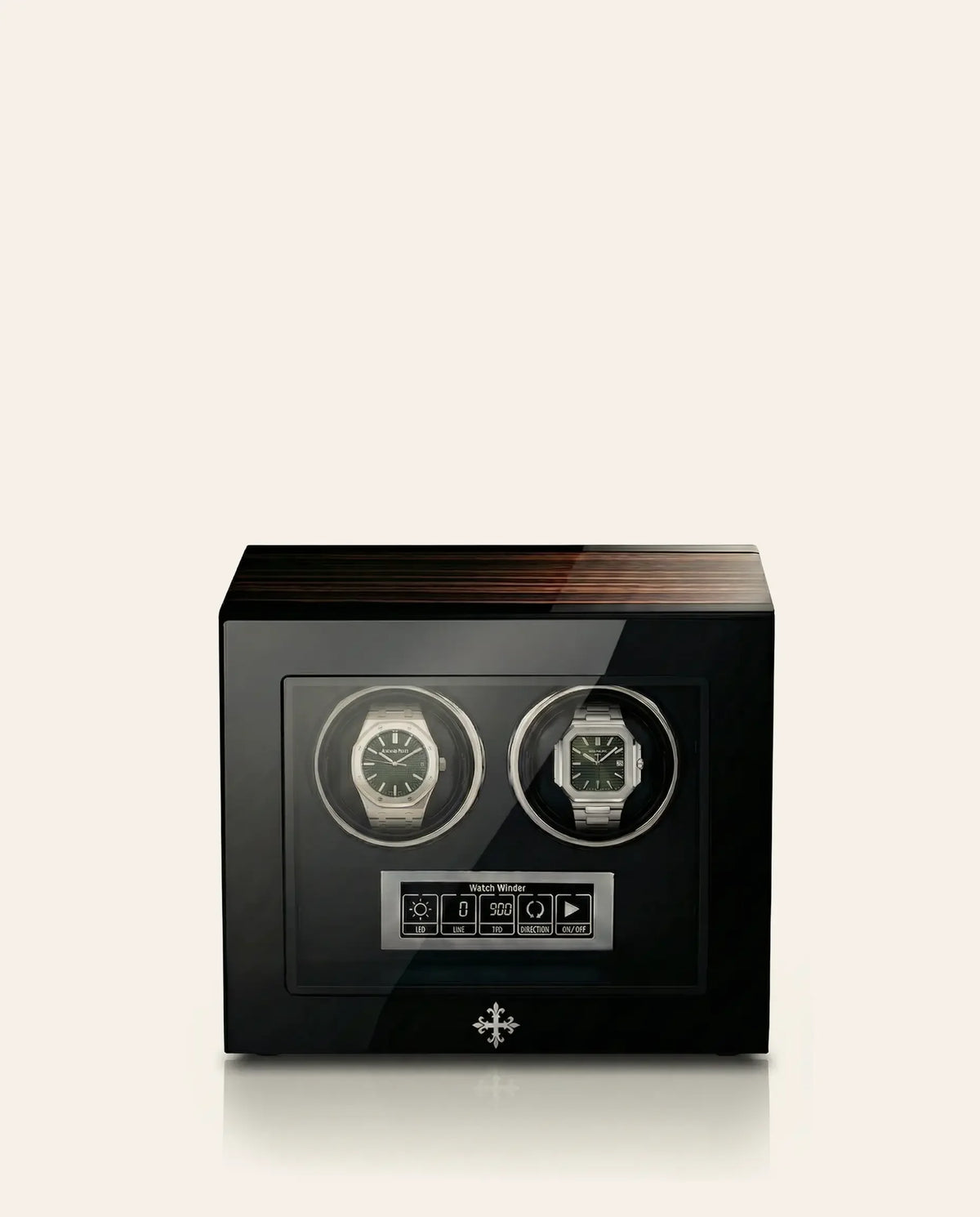
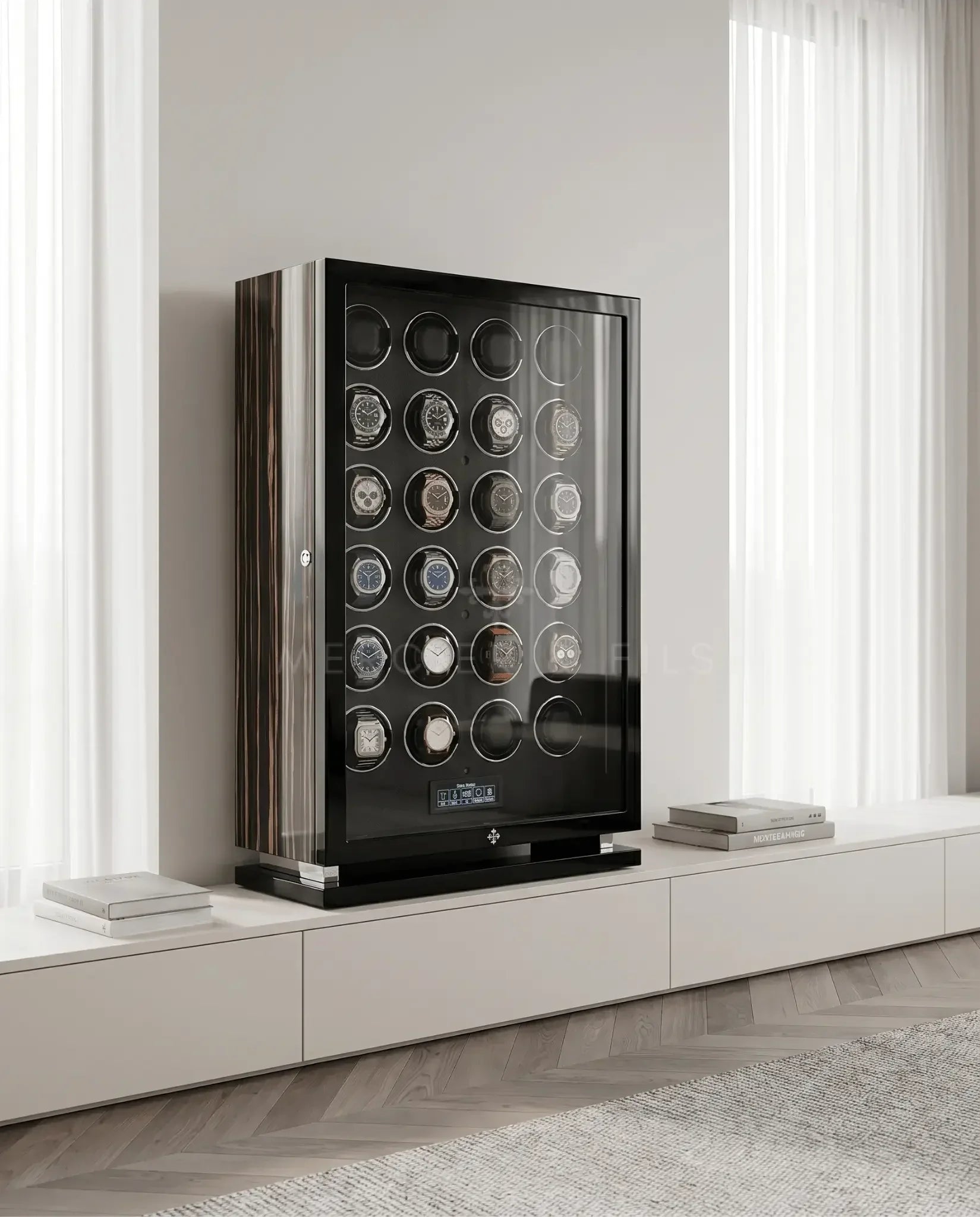
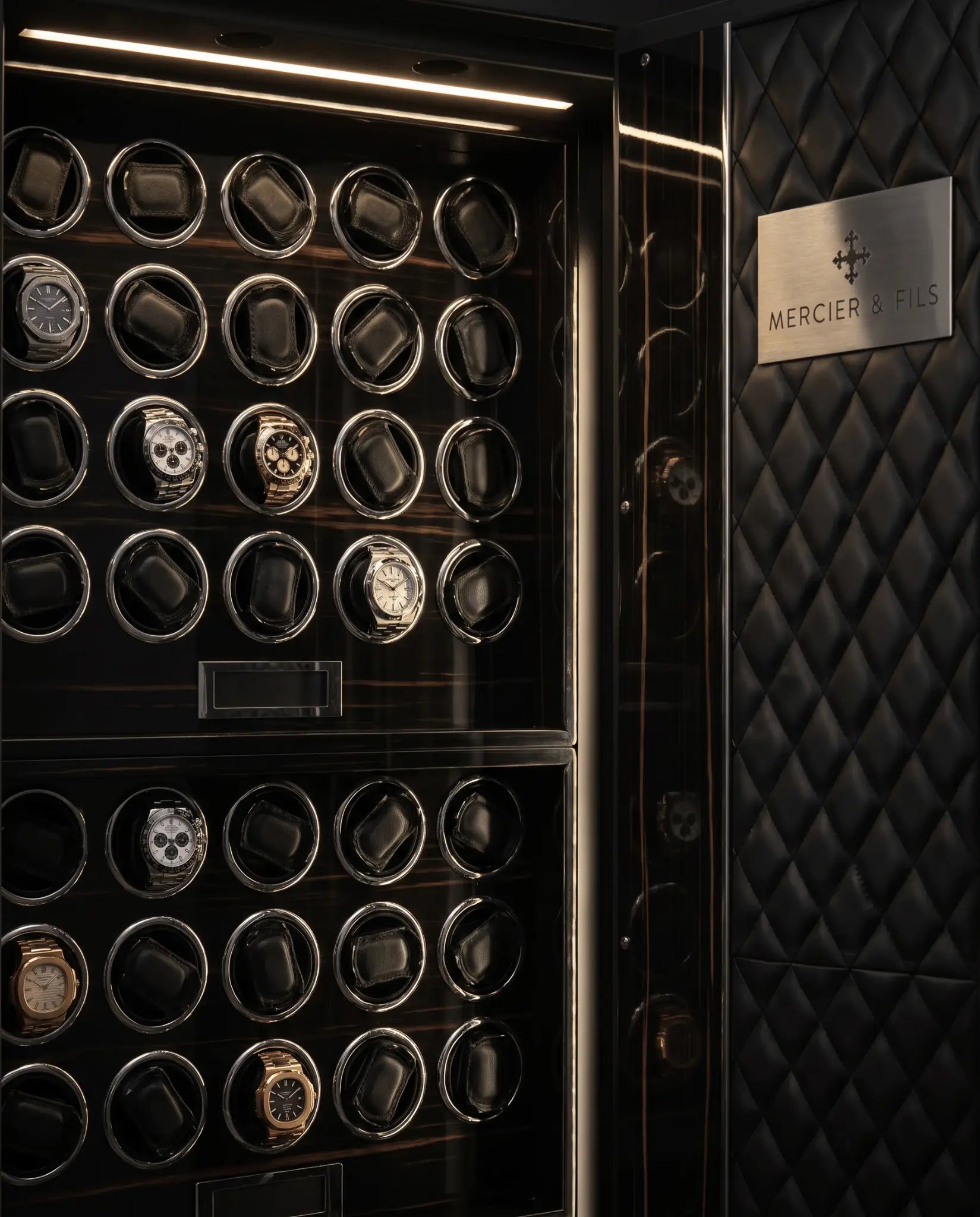
A Régent is configured to bring protection, storage, and the presentation of your collection together. Its construction, security level, and interior equipment are considered as a whole, creating a proposal tailored to your project.
STRATIUM™ is the high-performance protective composite used in equipped safes. Combined with the steel structure, it contributes to burglary and fire resistance. The performance stated for the complete product remains specific to its configuration and the tests or certifications that apply to it.
Explore STRATIUM™ construction · Discuss your project with an advisor
Questions to ask before relying on a fire claim
Is a manufacturer’s own test useful?
It can provide useful observations when the method and results are available. Describe it as a manufacturer’s test and assess its documented scope.
Does a burglary rating establish fire protection?
Burglary resistance and fire protection answer different questions. Review the supporting documents for each separately.
What if two products both claim 30 minutes?
Compare the protocol, internal limits, intended contents, and evidence applicable to each model before comparing the durations.
Cet article fait partie du Journal Mercier & Fils, guide de référence sur la conservation et le remontage des montres automatiques de collection. Pour toute question technique sur un calibre spécifique non documenté ici, l'équipe Mercier & Fils peut être contactée pour une vérification personnalisée.
Read more
Our analysis of UL TL ratings and European grades: test methods, six-sided protection, and documented industry references for comparing security levels.
Understand the difference between an in-house test, an independent laboratory report, and product certification—and check which model the evidence covers.
Leave a comment
All comments are moderated before being published.
This site is protected by hCaptcha and the hCaptcha Privacy Policy and Terms of Service apply.