


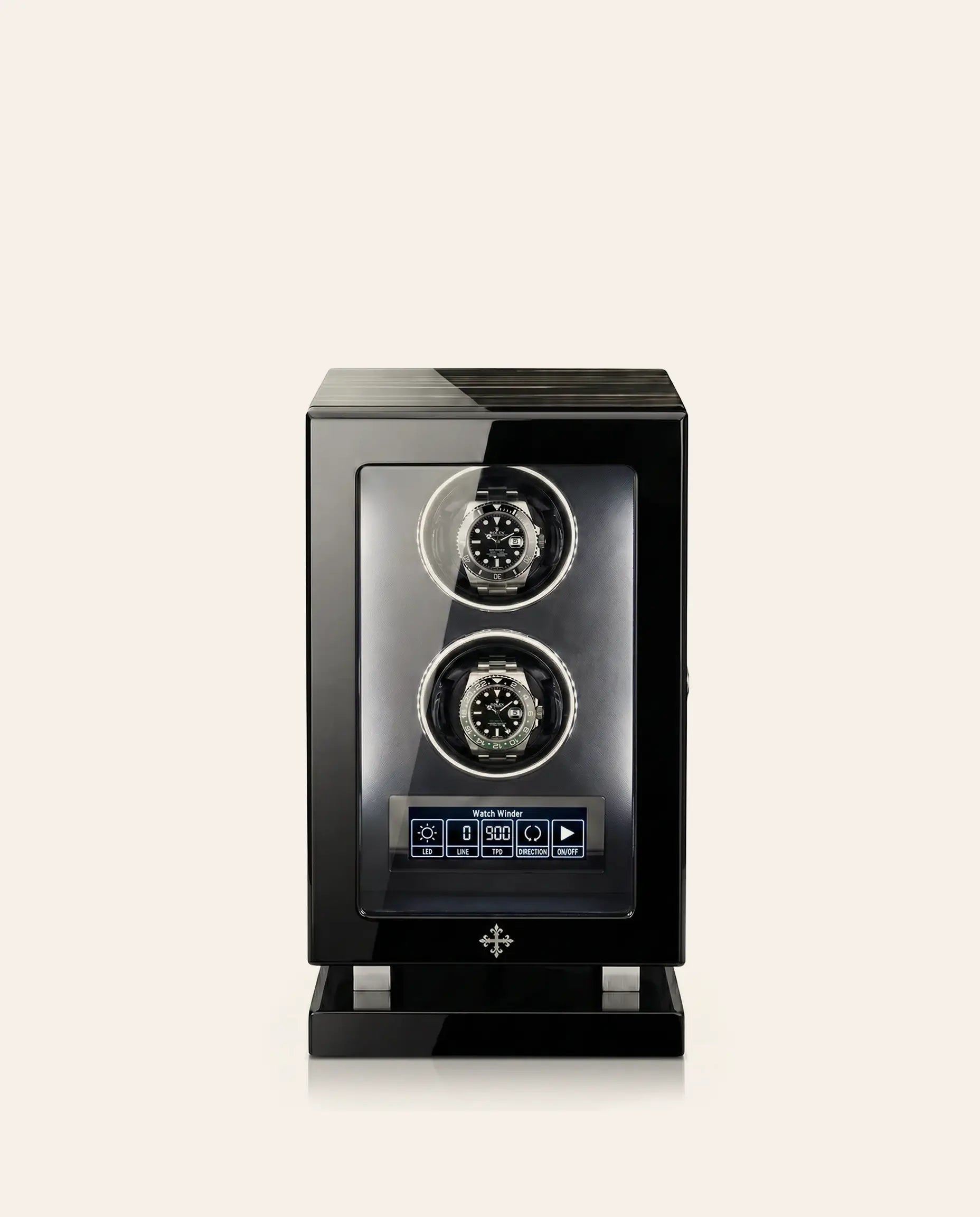
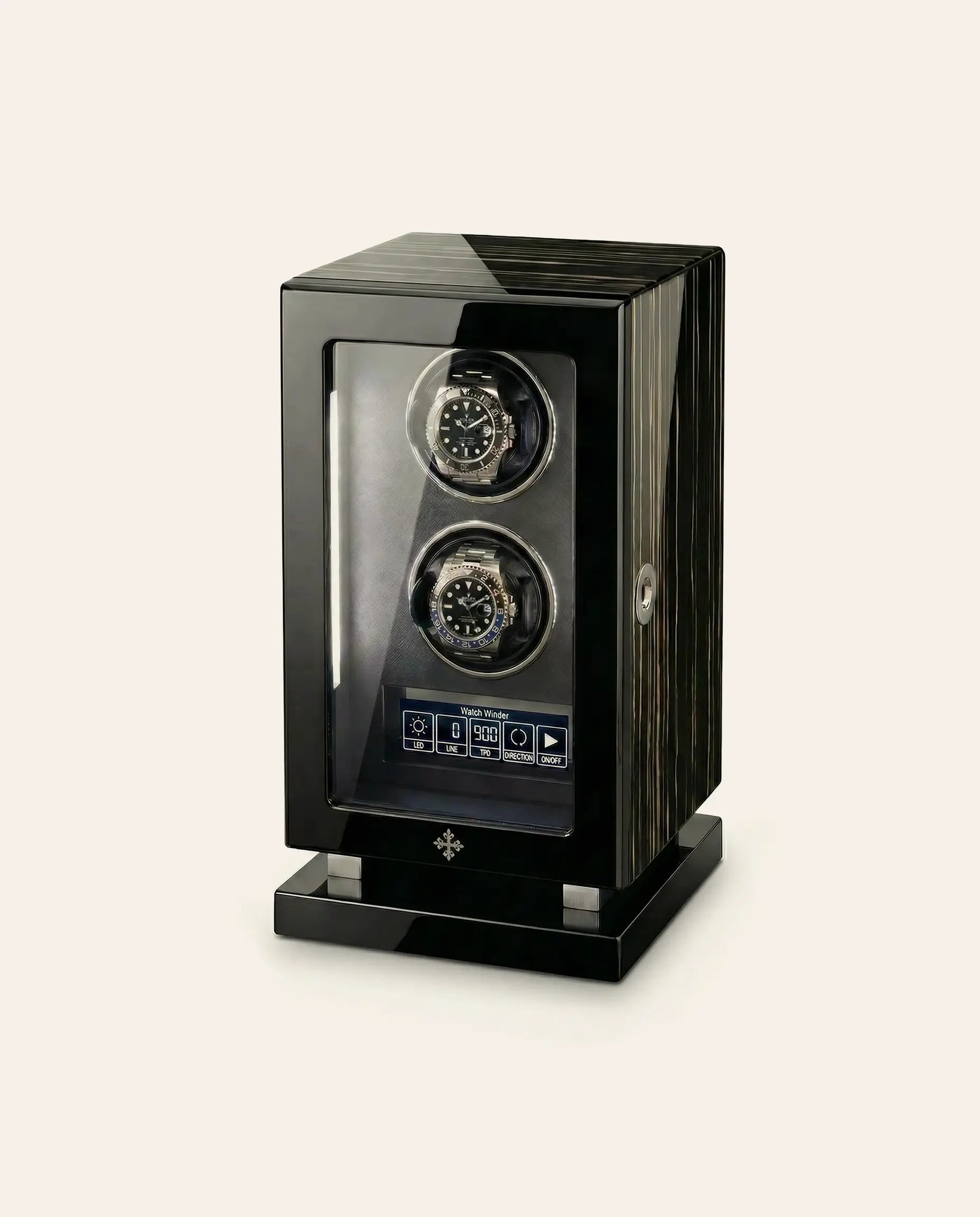
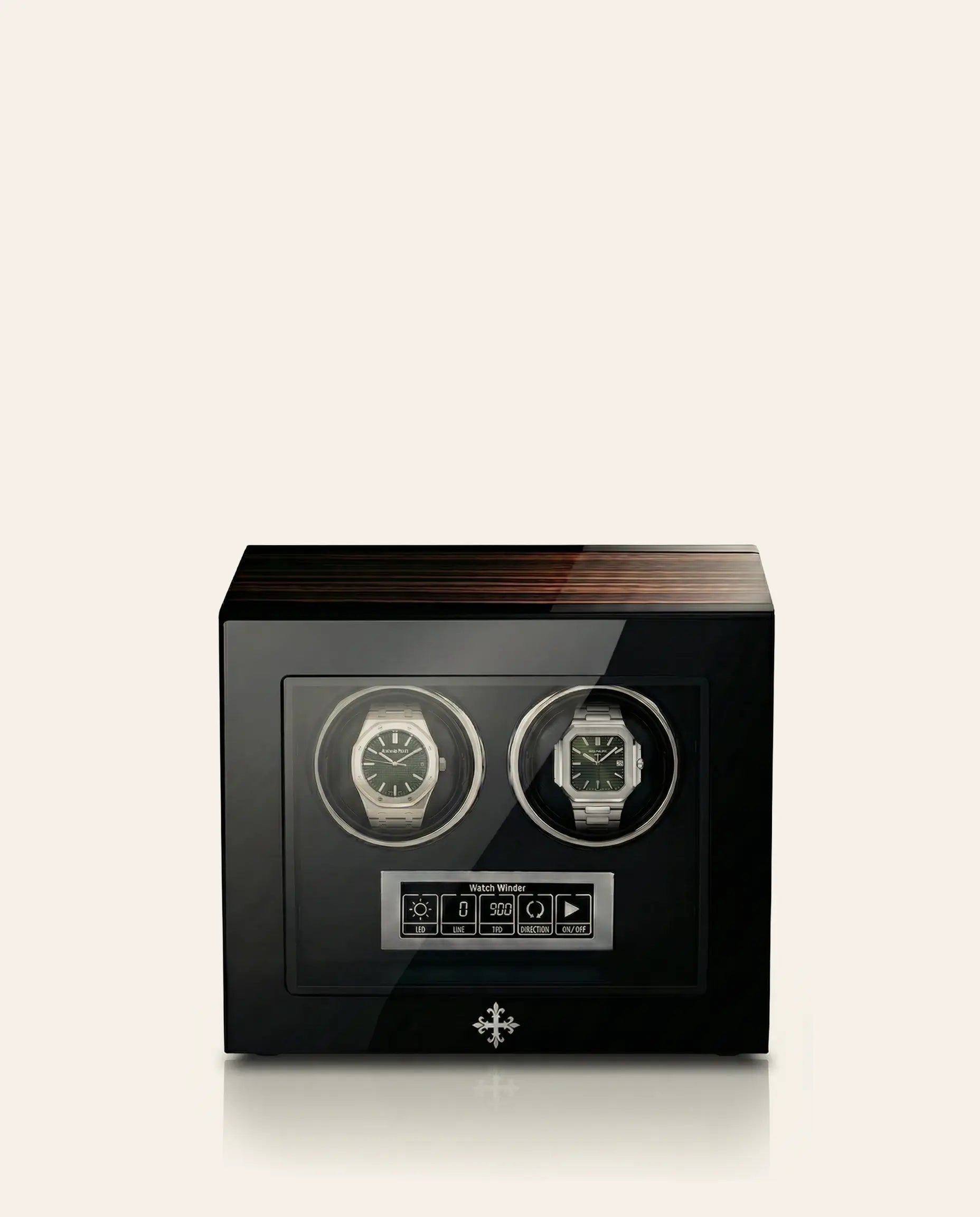
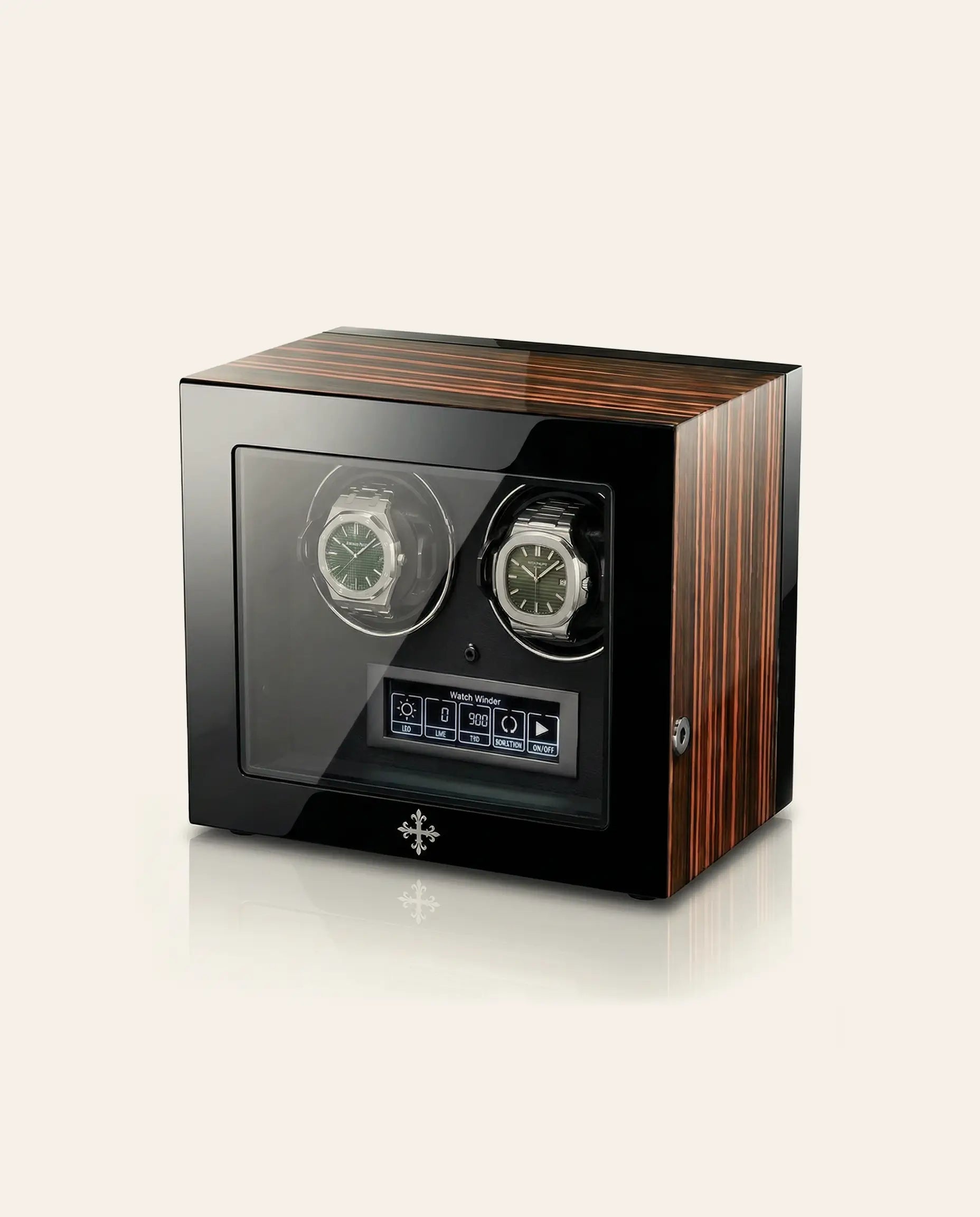
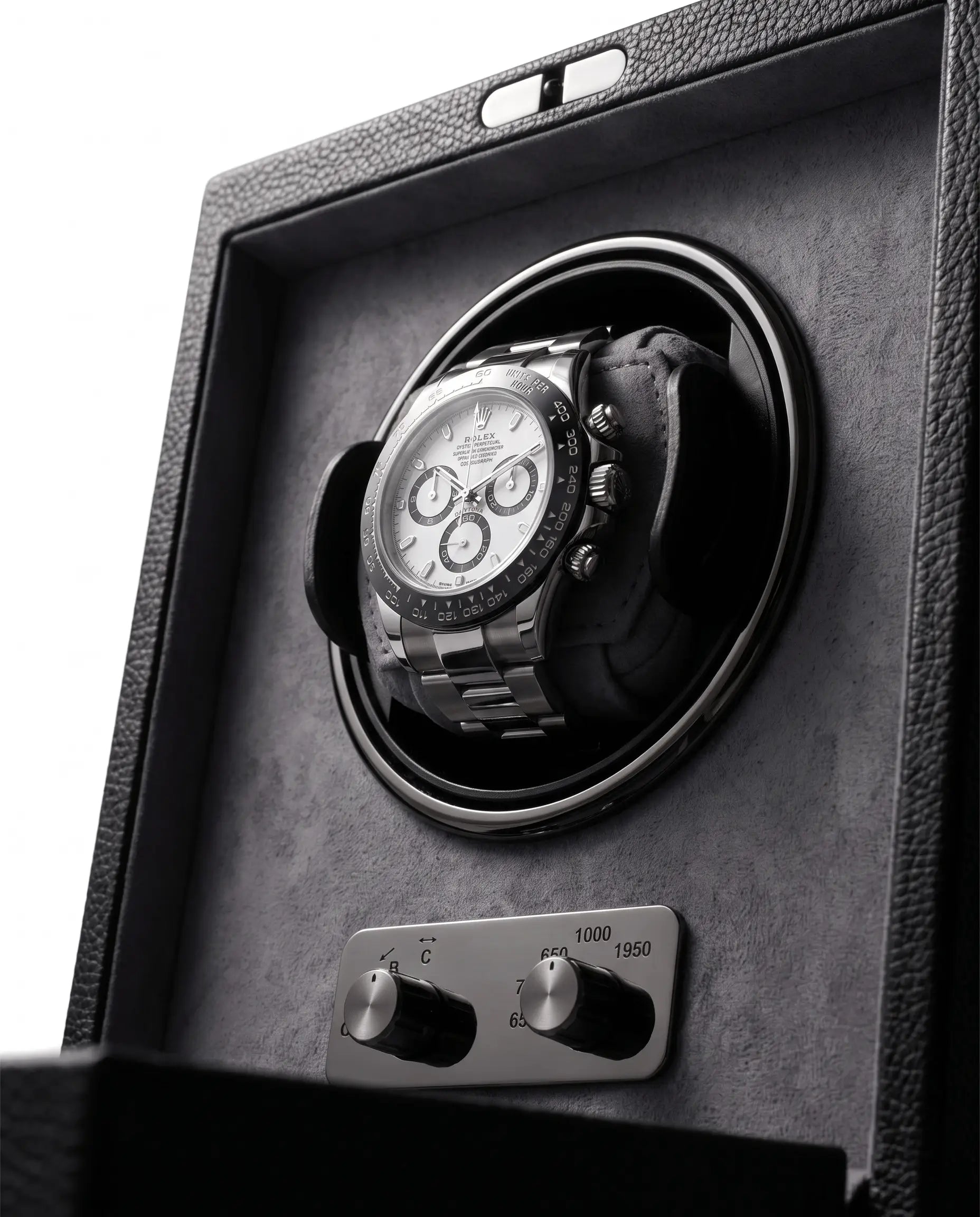
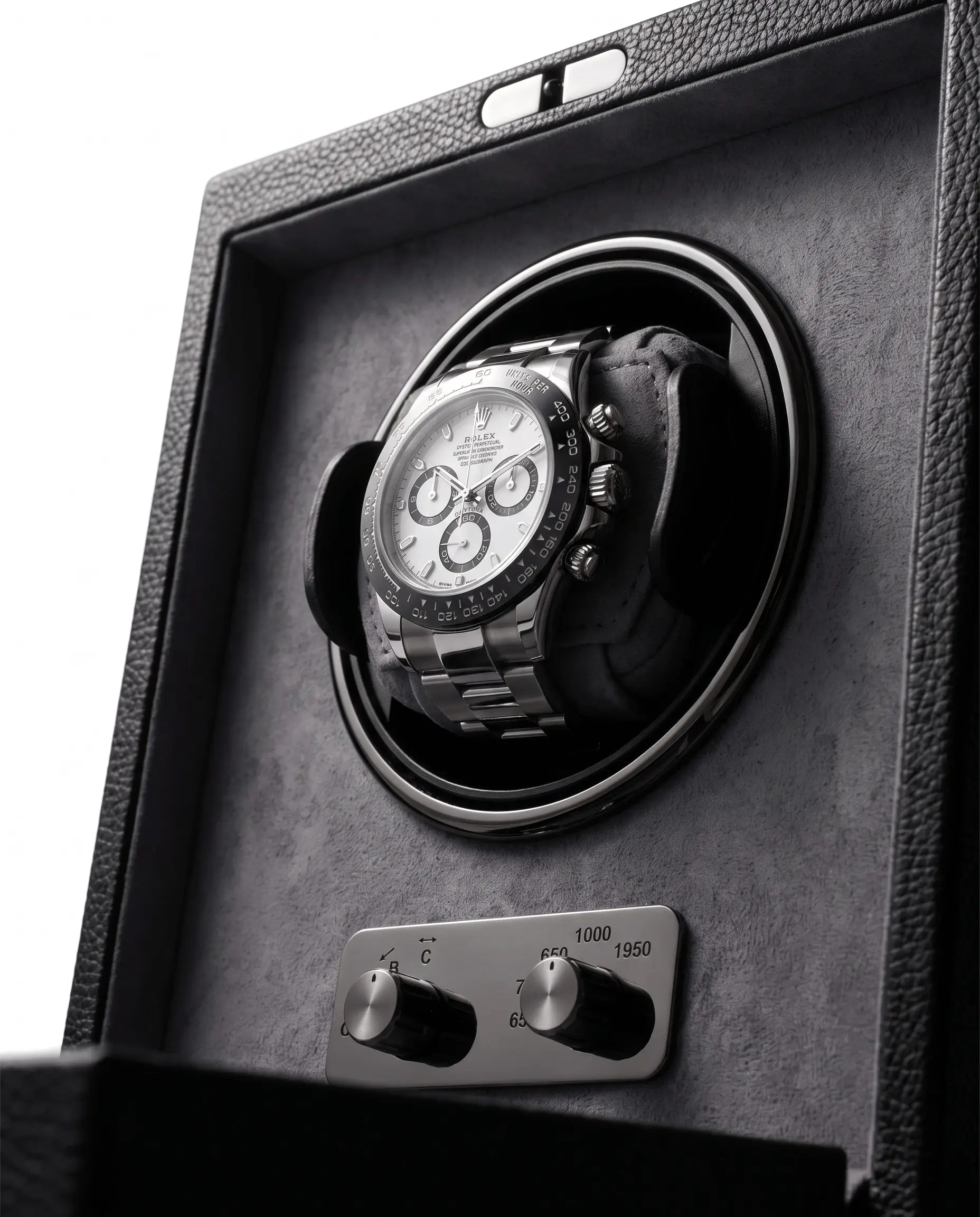
There's a widespread belief, even among seasoned collectors, that a watch winder wears out an automatic movement by keeping it artificially in motion. This idea deserves to be examined point by po...
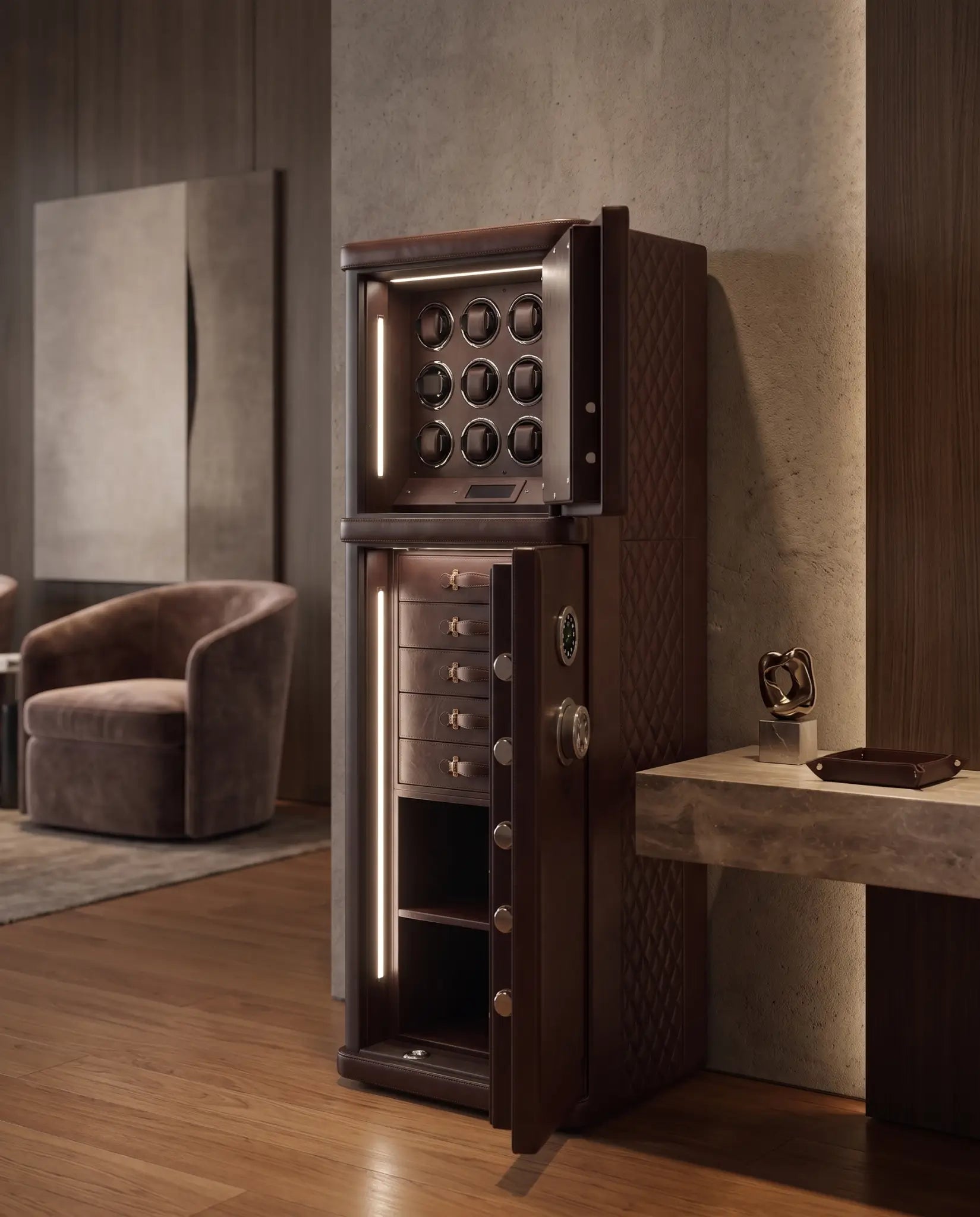
In summary EN 1143-1 is the European standard for burglary resistance of safes, defined by the European Committee for Standardization (CEN). It is verified by independent accredited laboratories ...

Wolf 1834 or Swiss Kubik, which to choose for your automatic watch? These are the two names that come up most often when looking for a serious watch winder. We compared their best-selling models, t...
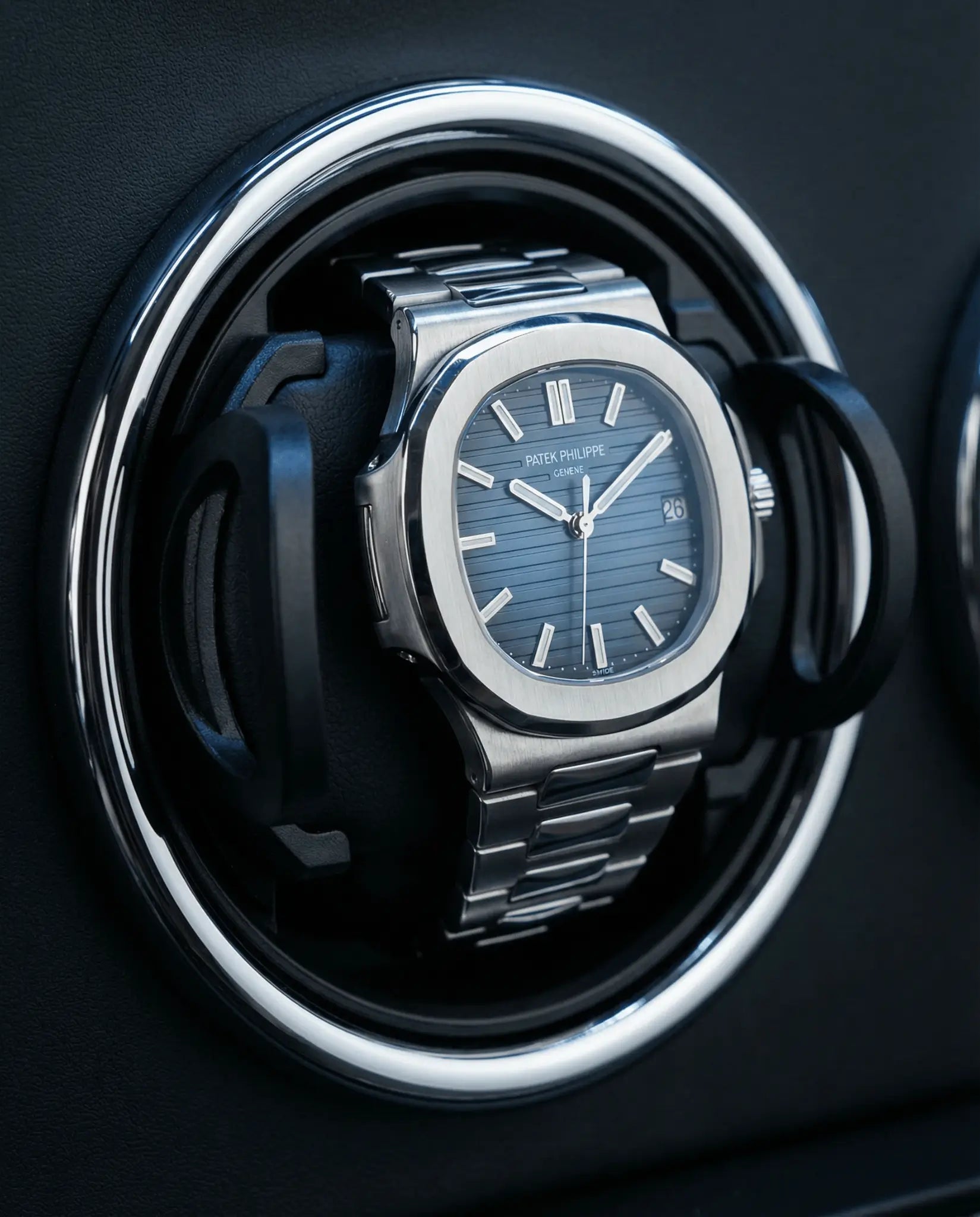
Choosing an automatic watch winder is a technical decision before it is an aesthetic one. A good winder preserves movements for years without intervention. A poor winder imposes repeated stops, lab...
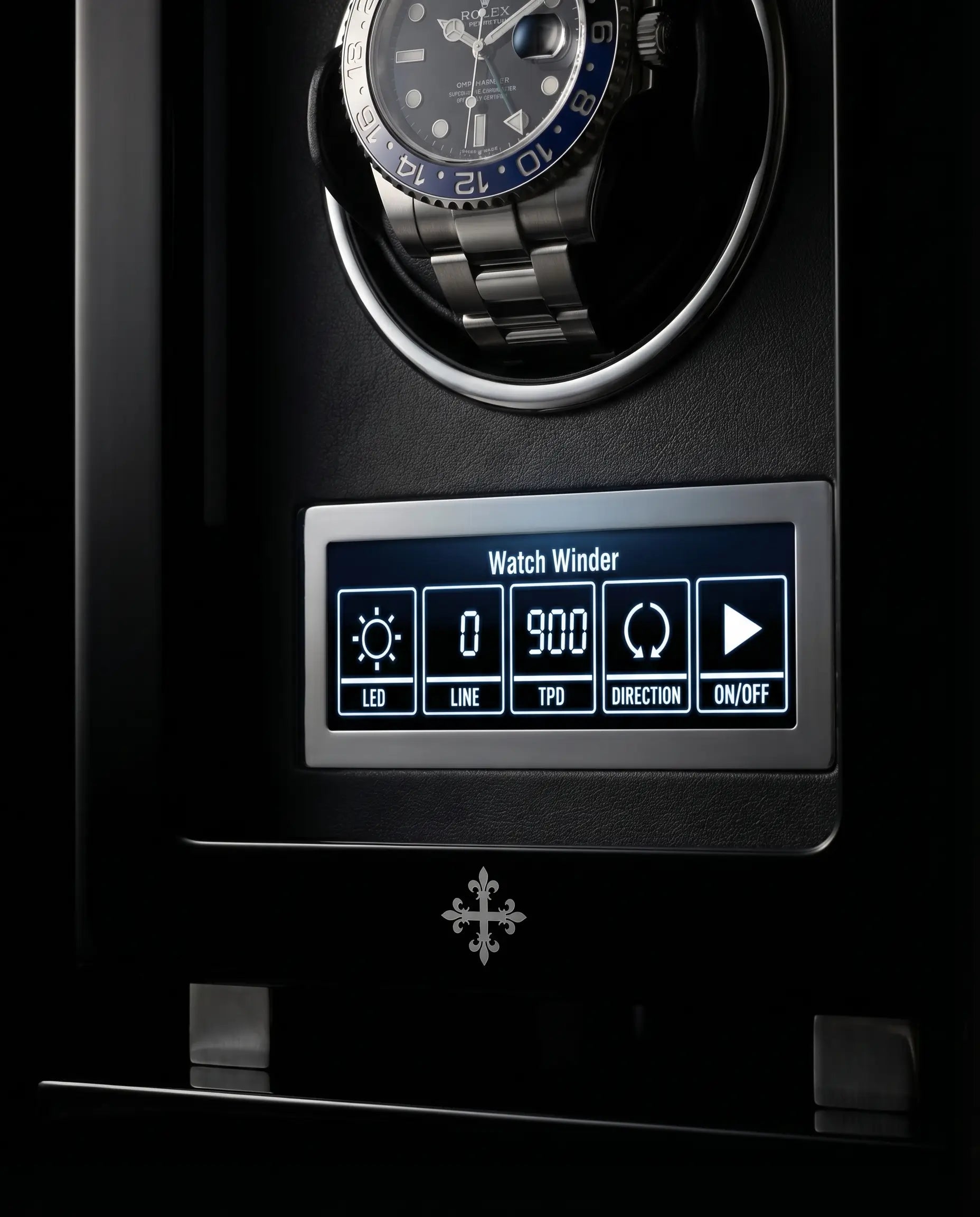
TPD is the most important setting parameter for an automatic watch winder. TPD stands for turns per day. If set incorrectly, it can cause a watch to stop unexpectedly. If set correctly, it maintain...
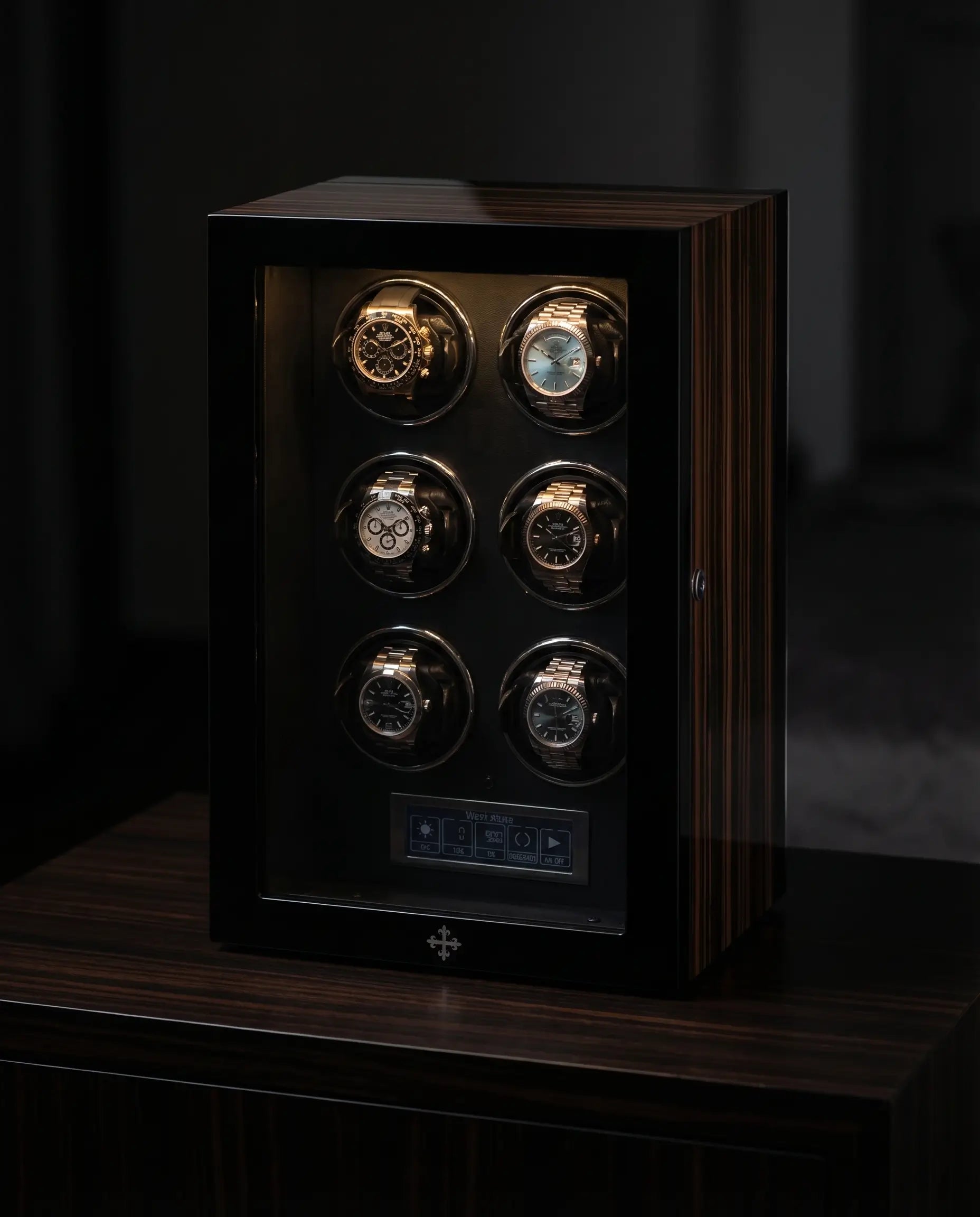
The watch winder turns. In the background, in the office or on the nightstand. And after a few days, the noise settles in — that continuous hum that eventually becomes a presence. This is not inevi...
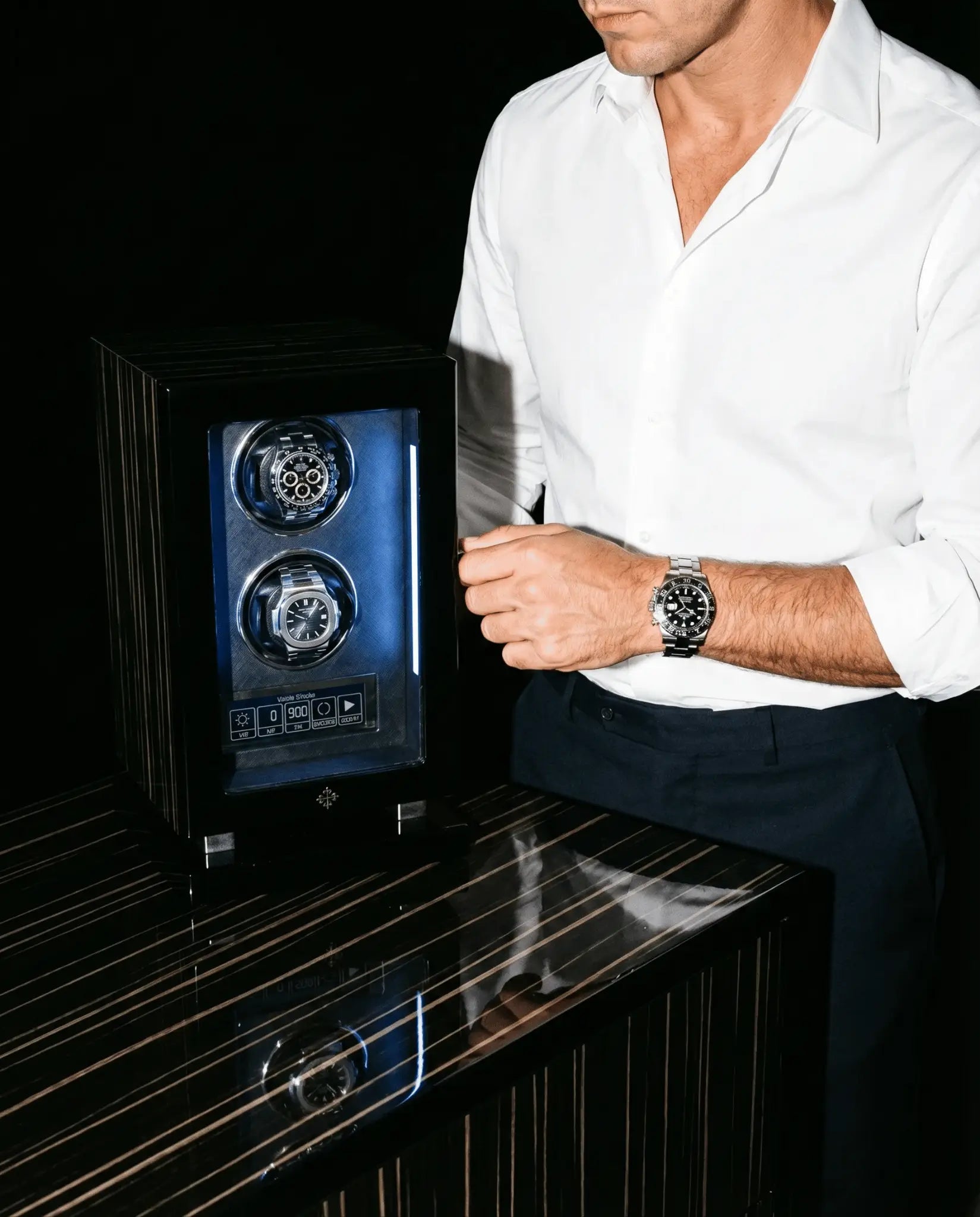
Father's Day is the only time of year when you realize you don't know what to get someone you know perfectly well. The man who has everything wants for nothing — and that's precisely the problem. A...
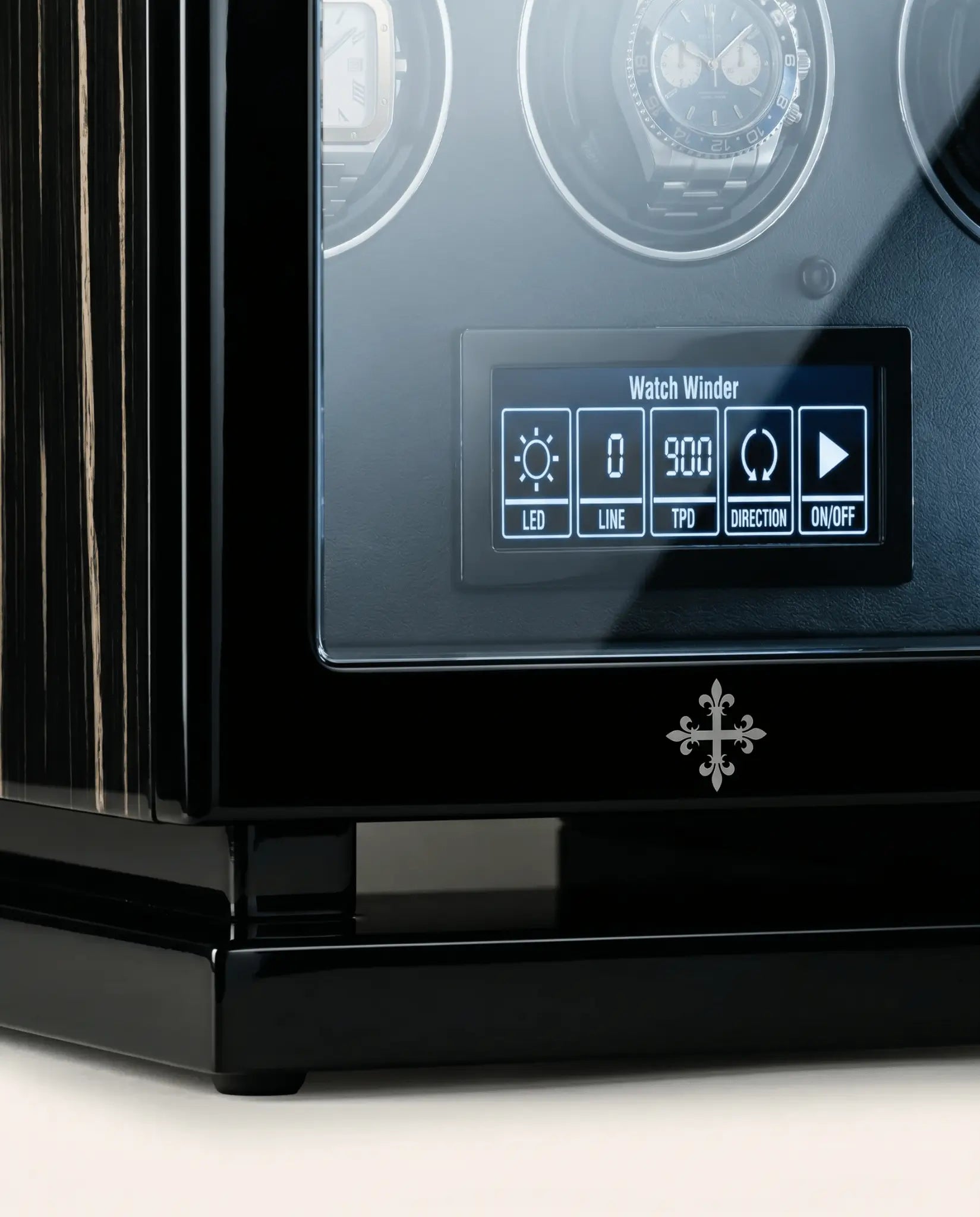
You've just received your watch winder. You open the settings menu and are presented with three options: CW, CCW, BOTH. Three letters. No explanation in the instructions. Yet, this choice is the se...
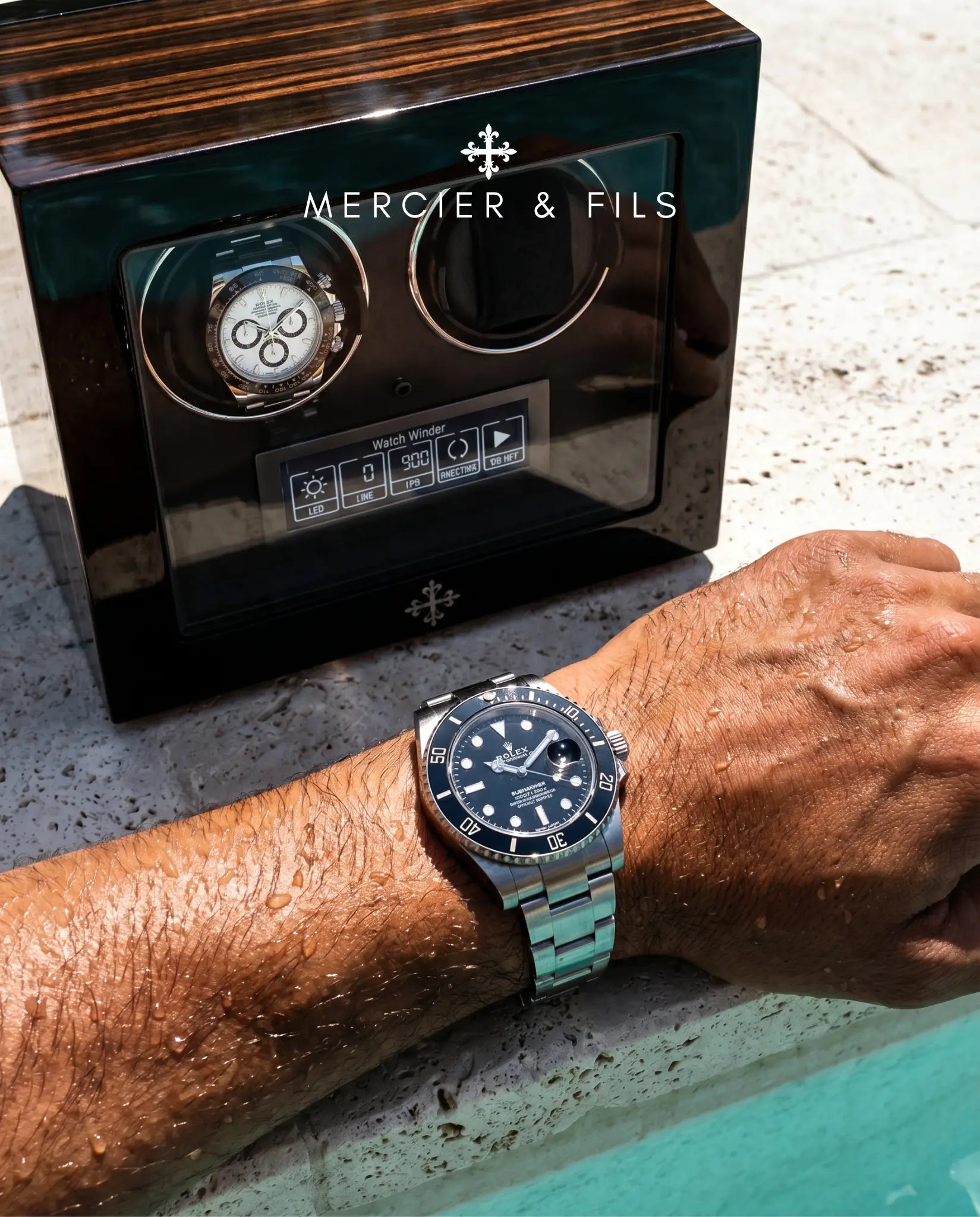
For many collectors, the Rolex Submariner is the first serious watch. The one that starts a collection. The one that, a few years later, shares a watch winder with a GMT, a Datejust, sometimes a...